Chickens
can be messy eaters, choosing the best chicken feeder is not difficult
as long as you ask yourself a few questions before you get started. The
biggest deciding factor for choosing the right feeder for you depends on
the size of your flock. If you have a small flock and are only filling
the feeder every couple of days a simple hanging poultry feeder will do.
If you have a large flock that demands a lot of food, a high capacity
automatic feeder will be what you're looking for.
For your small
or backyard flock, 1-50 birds a hanging poultry feeder is your way to
go. Despite the name "hanging" the feeder doesn't really have to hang
you can set the feeder directly on a flat surface. Hanging poultry
feeders come in various sizes that range from 1 -20 lbs. The size
depends on how much your chickens eat and how often you will fill it
with food. Often for these smaller flocks, you can select a size that
you only have to fill once every day or every other day. If you do
choose to hang the feeder it will create less of a mess. If you are
feeding once per day a feeder of 10 pounds or less will do.
For a
medium flock 50-100 birds, you may need something different unless you
are OK with refilling the hanging poultry feeders more than once a day.
Like the domestic duck,
the chicken feed can be messy during eating time. Choosing a trough
type feeder for your flock of chickens may be the way to go. A trough
type feeder allows more ducks to eat at the same time with more space.
The added room helps prevent spillage and fighting over the feeder. This
will save you time, chicken feed, aggravation, and money. Look for a
feeder between 10 - 15 pounds if you can only feed once per day.
For large flocks 100+ birds, for large flocks of large birds, like the Orpington Chicken,
you are looking for a feeder of 20+ pounds. I have seen feeders that
hold 110 lbs and can handle 400 chickens per day! These feeders can
easily cost a couple of hundred bucks but well worth the cost. The
simplicity of pouring a bag or two of feed into the unit and forgetting
it is priceless.
Something else to keep in mind, depending on your
coop and run set up, birds squirrels, mice, chipmunks, etc. A rooster
is a great way to keep these things out of your poultry feeder. Feeders
are also available with automatic opening and closing lids that are
perfect for keeping the crows away! The chicken walks up, the lid opens,
the chicken eats and walks away, the lid closes. What more could you
ask for?
Article Source: http://EzineArticles.com/9812619What makes the chicken to stop laying eggs
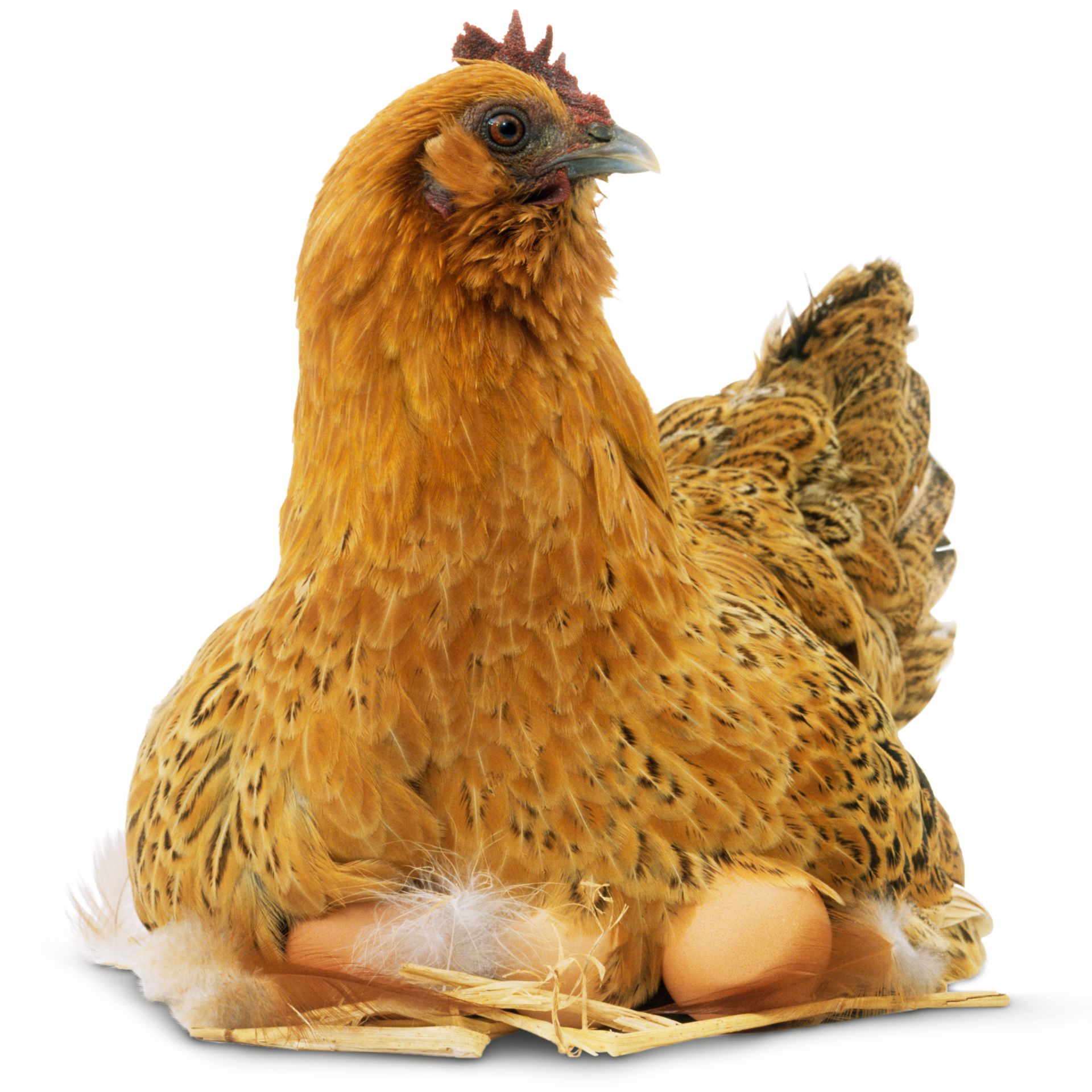 |
| https://www.dkfindout.com/us/animals-and-nature/domesticated-animals/chickens/ |
It is always concerning when our hens suddenly stop laying.
The first sign of a problem for your girls is when they stop laying eggs. When
chickens are lacking something they require egg production is the first thing
their bodies shut down in order to make up for what it is lacking. Most of the
time it's an easy fix, is the coop clean? Are you feeding the proper food?
Sometimes it could more complicated, are my babies sick or are the molting?
Let's take a look at the common issues and see what it takes to get the girls
happy again.
Age:
Chickens have a lifespan of 7 years are in their prime for
the first year or two of them laying eggs, after that production rapidly
declines until the 4th or 5th year when they usually stop laying altogether. It
usually best to replace the laying hen with a new one after their 3rd year of
laying eggs.
Habitat:
Chickens are creatures of habit, sometimes the slightest
change can throw them off. Moving your hens from one location to another,
adding new features or space can stress out your girls. They will not start
laying again until they feel relaxed and are comfortable again. Even a dirty
pen or coop could throw them off, unsanitary conditions are the best way to for
the birds to contract unwanted diseases, especially if the space is too small.
Food / Water:
A dehydrated chicken cannot produce eggs make sure there is
always water available for your hens. Using the nipple drinkers help conserve
water and keep the coop clean. To produce an egg your girls need a special diet
of calcium and proteins. This type of feed is called "layer feed" and
comes in many different varieties from different feed or pet stores. Chickens
will overeat so monitor the feed based on the number of chickens.
Health:
Did the chicken go broody? A broody hen will not lay until
she is done hatching her eggs. The girls won't lay when they molt either.
Molting is when the chickens are losing their feather due to changes in the
weather. It's the same as when a dog shed its fur, except the chicken sheds its
feathers. Mites put a lot of strain on a hen's body, she is miserable and won't
lay for you. A good sign your chicken is ill or not feeling well is her stance.
If she is hunched over instead of standing up and perky she is not feeling well
and has problems she probably needs help with.
Stress:
If a chicken is stressed she won't lay, she needs to feel
comfortable. Too many roosters can easily cause stress on your girls. Is there
a predator around, is she fearful? Keep your girls happy safe and fed, and she
provides you with many eggs to come. Some birds are better layers than others,
like the Orpington Chicken that was bread for maximum laying capacity.
Article Source:
https://EzineArticles.com/expert/James_K/2425002
Chickens
can be messy eaters, choosing the best chicken feeder is not difficult
as long as you ask yourself a few questions before you get started. The
biggest deciding factor for choosing the right feeder for you depends on
the size of your flock. If you have a small flock and are only filling
the feeder every couple of days a simple hanging poultry feeder will do.
If you have a large flock that demands a lot of food, a high capacity
automatic feeder will be what you're looking for.
Article Source: http://EzineArticles.com/9812619
Chickens
can be messy eaters, choosing the best chicken feeder is not difficult
as long as you ask yourself a few questions before you get started. The
biggest deciding factor for choosing the right feeder for you depends on
the size of your flock. If you have a small flock and are only filling
the feeder every couple of days a simple hanging poultry feeder will do.
If you have a large flock that demands a lot of food, a high capacity
automatic feeder will be what you're looking for.
For your small
or backyard flock, 1-50 birds a hanging poultry feeder is your way to
go. Despite the name "hanging" the feeder doesn't really have to hang
you can set the feeder directly on a flat surface. Hanging poultry
feeders come in various sizes that range from 1 -20 lbs. The size
depends on how much your chickens eat and how often you will fill it
with food. Often for these smaller flocks, you can select a size that
you only have to fill once every day or every other day. If you do
choose to hang the feeder it will create less of a mess. If you are
feeding once per day a feeder of 10 pounds or less will do.
For a
medium flock 50-100 birds, you may need something different unless you
are OK with refilling the hanging poultry feeders more than once a day.
Like the domestic duck,
the chicken feed can be messy during eating time. Choosing a trough
type feeder for your flock of chickens may be the way to go. A trough
type feeder allows more ducks to eat at the same time with more space.
The added room helps prevent spillage and fighting over the feeder. This
will save you time, chicken feed, aggravation, and money. Look for a
feeder between 10 - 15 pounds if you can only feed once per day.
For large flocks 100+ birds, for large flocks of large birds, like the Orpington Chicken,
you are looking for a feeder of 20+ pounds. I have seen feeders that
hold 110 lbs and can handle 400 chickens per day! These feeders can
easily cost a couple of hundred bucks but well worth the cost. The
simplicity of pouring a bag or two of feed into the unit and forgetting
it is priceless.
Something else to keep in mind, depending on your
coop and run set up, birds squirrels, mice, chipmunks, etc. A rooster
is a great way to keep these things out of your poultry feeder. Feeders
are also available with automatic opening and closing lids that are
perfect for keeping the crows away! The chicken walks up, the lid opens,
the chicken eats and walks away, the lid closes. What more could you
ask for?
Article Source: http://EzineArticles.com/9812619Chickens
can be messy eaters, choosing the best chicken feeder is not difficult
as long as you ask yourself a few questions before you get started. The
biggest deciding factor for choosing the right feeder for you depends on
the size of your flock. If you have a small flock and are only filling
the feeder every couple of days a simple hanging poultry feeder will do.
If you have a large flock that demands a lot of food, a high capacity
automatic feeder will be what you're looking for.
For your small
or backyard flock, 1-50 birds a hanging poultry feeder is your way to
go. Despite the name "hanging" the feeder doesn't really have to hang
you can set the feeder directly on a flat surface. Hanging poultry
feeders come in various sizes that range from 1 -20 lbs. The size
depends on how much your chickens eat and how often you will fill it
with food. Often for these smaller flocks, you can select a size that
you only have to fill once every day or every other day. If you do
choose to hang the feeder it will create less of a mess. If you are
feeding once per day a feeder of 10 pounds or less will do.
For a
medium flock 50-100 birds, you may need something different unless you
are OK with refilling the hanging poultry feeders more than once a day.
Like the domestic duck,
the chicken feed can be messy during eating time. Choosing a trough
type feeder for your flock of chickens may be the way to go. A trough
type feeder allows more ducks to eat at the same time with more space.
The added room helps prevent spillage and fighting over the feeder. This
will save you time, chicken feed, aggravation, and money. Look for a
feeder between 10 - 15 pounds if you can only feed once per day.
For large flocks 100+ birds, for large flocks of large birds, like the Orpington Chicken,
you are looking for a feeder of 20+ pounds. I have seen feeders that
hold 110 lbs and can handle 400 chickens per day! These feeders can
easily cost a couple of hundred bucks but well worth the cost. The
simplicity of pouring a bag or two of feed into the unit and forgetting
it is priceless.
Something else to keep in mind, depending on your
coop and run set up, birds squirrels, mice, chipmunks, etc. A rooster
is a great way to keep these things out of your poultry feeder. Feeders
are also available with automatic opening and closing lids that are
perfect for keeping the crows away! The chicken walks up, the lid opens,
the chicken eats and walks away, the lid closes. What more could you
ask for?
Article Source: http://EzineArticles.com/9812619
Comments
Post a Comment